Why More Homeowners Are Scheduling Residential Drain Cleaning Tacoma Regularly
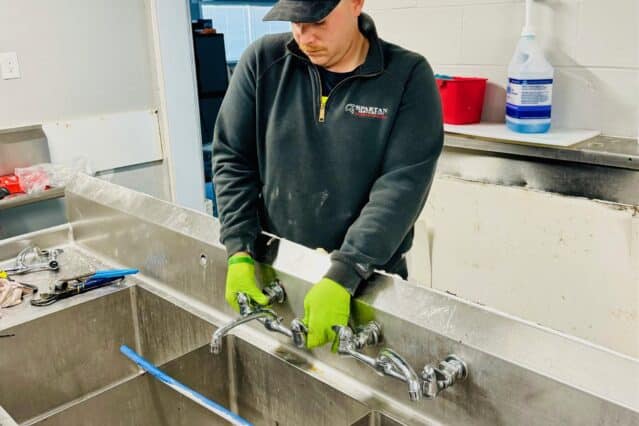

A slow drain used to be the kind of problem people ignored until it turned into a Saturday emergency. That approach is changing. More homeowners are treating drain maintenance the way they treat roof inspections, furnace tune-ups, and gutter cleaning, as routine home care that prevents larger and more expensive trouble.
That shift is especially noticeable in places like Tacoma, where homes range from older properties with aging plumbing lines to newer builds that still deal with soap residue, grease, hair, and seasonal debris. The idea behind regular Residential Drain Cleaning Tacoma service is simple: when water moves the way it should, the rest of the plumbing system works under less Residential Drain Cleaning Tacoma stress. Fixtures last longer. Odors stay away. Surprise backups become much less likely.
What many homeowners discover, often after one bad incident, is that drains rarely fail without warning. They usually send signals first. The bathtub empties a little slower. The kitchen sink gurgles when the dishwasher runs. A downstairs toilet bubbles after someone showers upstairs. These are not random quirks. They are signs that buildup is narrowing the inside of the pipe or that a developing blockage is interfering with normal flow.
Once people understand that pattern, regular drain cleaning stops sounding like an extra expense and starts looking like sensible maintenance.
The old habit of waiting no longer makes much sense
For years, a lot of homeowners treated drains as a reactive issue. If water still disappeared, even slowly, the system seemed good enough. A bottle of chemical cleaner every few months felt like a solution. In reality, that habit often masks the problem rather than solving it.
Inside most residential drain lines, buildup happens gradually. Kitchen drains collect grease, oils, starches, and food particles that cling to the pipe wall. Bathroom lines gather hair, soap scum, and toothpaste residue. Laundry drains can accumulate lint and detergent sludge. None of this usually closes a line all at once. It narrows the passage bit by bit, which is why the early symptoms seem easy to dismiss.
The trouble comes when a partial blockage meets a heavy-use day. Think about a weekend with guests, several showers back to back, multiple dishwasher cycles, and a load or two of laundry. That is when a line that has been limping along for months can finally back up. Homeowners who have experienced that kind of mess once usually do not want a repeat. It is one of the biggest reasons scheduled cleaning becomes a priority afterward.
There is also a financial angle that has become harder to ignore. The cost of cleaning a line on a planned visit is usually far easier to stomach than the cost of an emergency call, water cleanup, damaged flooring, or cabinet repairs after a backup. People are not just paying for a service. They are buying predictability.
Tacoma homes have some local realities that make maintenance worthwhile
Every city has its own plumbing patterns, and Tacoma is no exception. Housing stock matters. In older neighborhoods, it is common to find drain systems that have been in service for decades. Pipes may have rougher interiors than modern materials, which gives grease and debris more places to cling. Some older sewer lines are also more vulnerable to root intrusion, offset joints, or sections that no longer drain as cleanly as they once did.
Even in newer homes, the problem is not automatically solved. Modern plumbing still handles the same everyday materials, and households are often busier than ever. More people working from home means more use of kitchens and bathrooms throughout the day. Large tubs, powerful showers, garbage disposals, and high-output appliances move a lot of water, but they also push more residue into the system.
Tacoma’s wet seasons can also expose weaknesses in exterior drainage and sewer connections. When the ground is saturated and systems are already working hard, underlying issues tend to show themselves faster. Homeowners who schedule regular Residential Drain Cleaning Tacoma service often do so because they understand the local mix of climate, housing age, and daily household demands.
What regular drain cleaning actually prevents
The phrase “drain cleaning” can sound minor until you look at the chain reaction a dirty or partially blocked line can set off. Slow drainage is the obvious issue, but it is often the least serious one.
When water meets resistance in a pipe, it lingers longer in the line. That allows more solids to settle, which accelerates buildup. Odors develop because trapped residue starts to decay. Pressure patterns in the system shift, which is where those gurgling sounds come from. If the obstruction worsens, wastewater can reverse direction and come back through the lowest available fixture, often a shower, tub, or basement drain.
Regular cleaning helps prevent problems such as:
- recurring clogs in sinks, tubs, and showers
- foul drain odors caused by trapped organic buildup
- backups during high water use periods
- added strain on older pipes and joints
- emergency service calls at inconvenient times
That list sounds straightforward, but each item can have expensive consequences. A recurring kitchen clog is annoying until it happens during a holiday dinner. A foul odor seems manageable until guests notice it every time they enter the powder room. A basement backup can go from inconvenient to destructive in a matter of minutes.
The hidden cost of store-bought fixes
Many homeowners first reach for chemical drain cleaners because they are easy to find and promise fast results. Sometimes they appear to work, at least for a while. But repeated use can create other problems, especially in older plumbing systems.
Chemical products often attack the symptom at the center of the clog instead of fully clearing the line. They may open a small channel through the blockage, enough for water to drain again, while leaving plenty of residue stuck to the pipe walls. That means the drain seems fixed, but the buildup remains ready to catch more debris. In some cases, harsh cleaners can also generate heat or corrosive reactions that are not ideal for certain pipe materials or aging joints.
There is a practical issue too. If the product does not work and a plumber later has to open the line, that technician may be dealing with caustic liquid sitting in the trap or pipe. That creates a safety hazard during service and can complicate diagnosis.
Homeowners are getting more cautious about this. After trying a few quick fixes and seeing the same clog come back, they often decide it makes more sense to clean the line properly and reset the system.
Why “slow” is never just slow
One of the most common misconceptions in residential plumbing is that a slow drain is a nuisance rather than a warning. In practice, slowness matters because it reveals how close the system is getting to a more complete obstruction.
A healthy drain should move water with very little hesitation. A bathroom sink should empty smoothly after normal handwashing. A shower should not build a shallow pool around your feet. A kitchen sink should not need to be “coaxed” by running hot water for a minute after washing dishes. When these things happen, they indicate restriction.
Sometimes the issue is localized, like hair near a tub stopper. But when multiple fixtures show symptoms, or when one fixture reacts to another, the problem is usually deeper in the branch line or main drain. A homeowner might notice that flushing a toilet makes the nearby shower drain bubble, or that using the washing machine causes a floor drain smell to intensify. Those patterns point to a system issue, not a one-off clog.
Professionals who handle Residential Drain Cleaning Tacoma calls often hear the same phrase: “It has been draining slowly for months, but suddenly it got much worse.” That sudden turn usually was not sudden at all. It was the point where buildup finally reached a tipping point.
Regular service fits the way people now think about home ownership
There has been a broader change in how homeowners approach maintenance. More people are planning for upkeep instead of waiting for visible failure. That shift partly comes from experience and partly from economics. Repair and restoration costs have risen. Schedules are busier. Households want fewer disruptions.
Drain cleaning fits neatly into that mindset because it is preventive, relatively noninvasive, and easy to schedule. It also gives homeowners a better understanding of what is happening inside plumbing lines they otherwise never see. When a professional clears a line and identifies heavy grease accumulation, root intrusion, or signs of recurring misuse, the homeowner can correct course before the next issue appears.
There is also peace of mind in knowing that plumbing trouble is less likely to erupt at the worst possible time. For families with children, multigenerational households, or homes with only one full bathroom, that reliability matters more than people sometimes admit.
What professionals look for during a proper cleaning visit
A thorough drain cleaning is not just about poking a hole through a clog. Good service focuses on restoring flow and understanding why the blockage formed in the first place. Depending on the symptoms, the age of the home, and the type of line involved, the technician may use different tools and methods.
In a simple bathroom drain, the problem may be compacted hair and soap residue near the trap or branch line. In a kitchen line, the challenge is often grease layered along the interior wall of the pipe. In a main line, roots or heavier debris may be involved. Mechanical snaking can break through many obstructions, while hydro jetting, when appropriate for the pipe condition, can clean the line much more thoroughly by washing residue off the walls instead of merely punching through it.
Experience matters here. An aggressive method on fragile or compromised piping is not always the right call. On the other hand, using a mild approach on a heavily fouled kitchen line may leave too much material behind, causing the problem to return quickly. Homeowners scheduling regular service often value that judgment as much as the cleaning itself.
The most common signs it is time to stop waiting
Many households hold off longer than they should because they are hoping the issue will settle down on its own. Drains rarely improve without intervention. They usually worsen gradually, then all at once.
Here are some signs that a service call is justified:
- repeated clogs in the same fixture
- water backing up into a different drain
- bubbling or gurgling sounds after normal use
- persistent odors near sinks, tubs, or floor drains
- several slow drains in the home at the same time
If one or more of these signs keeps showing up, a planned cleaning is far smarter than continued guesswork. It is easier to address a developing issue during normal business hours than during an evening emergency when a sink or shower becomes unusable.
Homeowners are also thinking more about sanitation
Drain problems are not just a matter of convenience. When wastewater does not leave the home properly, hygiene becomes part of the conversation. A sink that drains slowly may be frustrating, but a tub or floor drain that backs up with dirty water is a sanitation problem. The same goes for standing residue in kitchen drains, which can create odors and attract pests.
This is one reason regular drain cleaning has become more common even among homeowners who have not yet had a dramatic backup. They understand that clean, freely flowing drains contribute to a healthier indoor environment. It is not glamorous, but it is part of keeping a house functioning the way it should.
People tend to invest more readily in maintenance when the connection to daily comfort is obvious. Few things affect comfort faster than a plumbing problem that makes a bathroom or kitchen unpleasant to use.
Timing matters more than many people realize
Not every home needs the same schedule. A newer household with light use and no history of blockages may go longer between professional cleanings. A busy family home with long hair, frequent cooking, a garbage disposal, and an older kitchen line may benefit from more regular visits. Homes with mature trees near older sewer lines often need closer attention because root intrusion can return over time.
This is where generic advice falls short. Residential Drain Cleaning Tacoma Saying every home should clean drains annually is too rigid. Saying only to call when something clogs is too casual. The best interval depends on the house, the occupants, and the system’s history.
In practice, many homeowners settle into a cadence after the first serious issue is handled. They learn how fast buildup returns in their particular home. Some schedule once a year. Others clean problem lines every 18 to 24 months and call sooner if symptoms reappear. The key is that they stop treating each clog as an isolated event.
A small maintenance decision can protect much larger systems
Drain cleaning often gets framed as a sink or shower issue, but it connects to the broader health of the plumbing system. When branch lines and main drains stay cleaner, wastewater exits more efficiently. Fixtures perform better. The risk of pressure imbalances and dirty water backups drops. Older pipes, especially, benefit from not being forced to operate under repeated partial obstructions.
For homeowners planning renovations, selling a property, or simply trying to preserve what they own, that matters. Plumbing problems have a way of expanding beyond the pipe itself. They can damage cabinets, flooring, drywall, and subfloors. They can create lingering odor issues that are difficult to trace later. They can also sour a potential sale if an inspection reveals drainage concerns.
By comparison, scheduled Residential Drain Cleaning Tacoma service is a modest step. It is not as visible as a remodeled kitchen or as satisfying as new flooring, but it often protects both.
The shift toward regular cleaning is really a shift toward fewer surprises
When you look at why more homeowners are making this choice, the reasons are practical rather than trendy. They have seen what happens when a “minor” slow drain turns into standing wastewater. They know repeated chemical treatments do not solve heavy buildup. They understand that Tacoma homes, especially older ones, can develop drainage issues that are easier to manage early than late.
Most of all, they want fewer surprises. A home has enough moving parts already. Anything that reduces the chance of an urgent plumbing problem earns attention quickly.
Regular drain cleaning is not about overreacting to every gurgle. It is about recognizing patterns, taking the warning signs seriously, and dealing with buildup before it becomes a disruption. For many homeowners, that is no longer an optional service. It is simply part of maintaining a house with some foresight and common sense.
Spartan Plumbing Services
Address: 760 107th St S, Tacoma, WA 98444
Phone number: +12534998773
FAQ About Residential Drain Cleaning Tacoma
How much does it cost to have someone clean your drains?
Professional drain cleaning costs between $147 and $352 on average, with most homeowners paying around $246. The final price is heavily determined by the type of drain affected, the clearing method needed, and your geographic location.
How much does it cost to clean a drain line?
Professional drain cleaning costs between $147 and $352 on average, with most standard residential jobs landing right around $246. However, your final bill can scale from $100 to over $800 depending entirely on which drain is clogged and the method required to clear it.
Is professional drain cleaning worth it?
Yes, professional drain cleaning is worth it because it clears deep buildup and prevents expensive plumbing emergencies.