Residential Drain Cleaning Tacoma Services Every Tacoma Home Can Benefit From
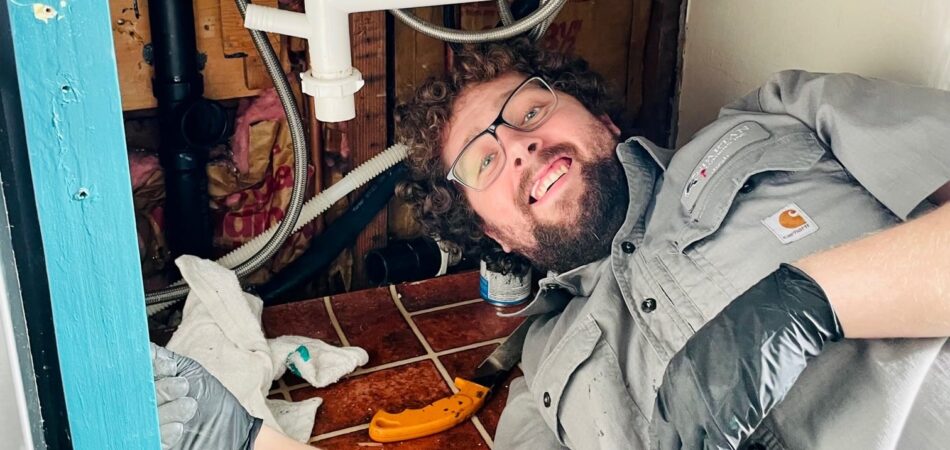

Tacoma homeowners tend to notice plumbing problems at the worst possible moment. A shower starts backing up ten minutes before work. The kitchen sink slows down on a holiday weekend. A basement floor drain gives off that unmistakable sewer odor right before guests arrive. Drain issues rarely begin as emergencies, but they often become one when a small restriction goes unchecked for too long.
That is why Residential Drain Cleaning Tacoma services matter more than many homeowners realize. This is not just about clearing a clog after the water stops moving. Residential Drain Cleaning Tacoma Good residential drain cleaning protects pipes, preserves fixtures, reduces unpleasant odors, and helps you avoid the chain reaction that often follows a neglected drainage problem. A sluggish line in one part of the house can point to grease buildup, root intrusion, scale inside older pipe walls, or a venting issue that changes how the whole system performs.
Tacoma homes also come with their own plumbing realities. Some neighborhoods have older sewer laterals. Some properties sit under mature trees with aggressive roots. Many households run hard enough every day, with laundry, dishwashers, disposals, and busy bathrooms, that minor buildup gradually becomes a major obstruction. The result is a city where routine drain care is not a luxury service. It is basic home maintenance, right alongside roof care and HVAC servicing.
What residential drain cleaning actually covers
When homeowners hear the phrase drain cleaning, many picture a plumber showing up with a basic snake and pulling out a wad of hair from a tub drain. That still happens, and it is often the right fix for a local blockage, but the scope is usually broader.
Residential drain cleaning can involve bathroom sink lines, bathtub and shower drains, toilet branch lines, kitchen sinks, laundry drains, floor drains, main sewer lines, and sometimes roof vents when poor airflow is part of the problem. The service can be as simple as removing soap scum and hair from a single trap arm, or as involved as restoring flow through a partially root-blocked sewer lateral.
The best plumbers do not treat every clog the same way. They look at the pattern. If only one fixture is slow, the problem is often local. If multiple fixtures on the same level are backing up, the issue may sit farther down the branch line. If the lowest drain in the house bubbles or overflows when another fixture runs, that can indicate trouble in the main line. The method matters because using the wrong tool Residential Drain Cleaning Tacoma on the wrong blockage can waste time, miss the true cause, or damage older piping.
That is one reason experienced homeowners in Tacoma usually stop reaching for chemical drain cleaners after the first failed attempt. Those products may seem inexpensive on the shelf, but they rarely remove the full blockage. In many cases they simply burn a narrow channel through organic material, leaving most of the buildup intact. Worse, they can sit in the trap or line and create a safety issue for whoever has to service the drain afterward.
Why Tacoma homes see recurring drain issues
Tacoma’s mix of housing stock is a big part of the story. In newer homes, the piping itself may be in decent shape, but heavy daily use can still create kitchen grease accumulations or bathroom drain buildup. In older homes, especially those that have seen decades of partial repairs, the system may include a patchwork of materials with different diameters, offsets, or worn joints. Those irregularities catch debris and slow the natural scouring action of wastewater.
Tree roots are another familiar culprit in the region. A sewer line does not have to be fully broken for roots to invade it. A tiny separation at a joint can leak moisture into the surrounding soil, which is enough to attract root growth. Once roots enter, they trap paper and solids, and the blockage compounds. At first the symptoms may be subtle. The toilet flushes a little slower. The tub gurgles after the washing machine drains. Then one rainy week or one extra load of laundry pushes the system over the edge.
Kitchen lines deserve their own mention. Many people know not to pour bacon grease directly down the drain, but a surprising amount of buildup comes from things that seem harmless in the moment. Cooking oils, butter, creamy sauces, coffee grounds mixed with grease, and fine food solids all contribute to a sticky interior coating over time. A disposer does not prevent that. It often makes it worse by grinding particles small enough to travel deeper into the line before they settle.
Tacoma’s climate can play a quiet role too. Cool temperatures help grease harden faster inside pipes. Seasonal storms can expose weaknesses in old sewer connections or overloaded drainage systems. These are not dramatic factors on their own, but they add up over years of use.
The difference between a nuisance clog and a system problem
A lot of homeowners wait because the drain still technically works. Water swirls for a while, then eventually disappears, so the issue does not feel urgent. That gray area is where preventable damage often begins.
A nuisance clog typically affects one fixture and develops close to the opening. Think hair and soap in a shower drain, toothpaste sludge in a bathroom sink, or a toy lodged in a toilet trap. Annoying, yes, but usually contained.
A system problem behaves differently. The symptoms travel. You hear bubbling in one drain when another fixture runs. You notice sewer smell in the laundry room. The toilet level rises slightly when the tub empties. Water appears at the floor drain after a heavy sink discharge. Those clues suggest the blockage is not sitting at the surface. It is deeper in the branch or main line, where pressure and volume affect multiple fixtures.
That distinction matters because repeated spot clearing can mask a bigger issue. I have seen plenty of cases where a homeowner had a bathroom sink cleaned twice in a year, only to discover later that the real problem was a larger restriction farther downstream. Each cleaning bought a little time but never restored the system fully.
Common services Tacoma homeowners benefit from most
Most homes do not need every drain service every year. The trick is matching the service to the house, the symptoms, and the age of the system. The following are the most useful categories homeowners tend to benefit from:
- Routine branch drain cleaning for kitchens, baths, and laundry lines.
- Main sewer line cleaning when multiple fixtures show slow drainage or backup signs.
- Camera inspection to locate roots, breaks, offsets, or recurring buildup points.
- Hydro jetting in lines that need thorough wall-to-wall cleaning, where pipe condition allows it.
- Preventive maintenance visits for homes with a history of recurring clogs.
Routine branch cleaning is often enough for homes where the issue is localized and recurring buildup is expected. Main line cleaning is more urgent, because that is where backups can affect multiple rooms at once. A camera inspection is especially valuable after a repeat clog, because it shifts the conversation from symptom relief to actual diagnosis. Hydro jetting can be excellent for grease-heavy kitchen lines and some root-related situations, but it requires judgment. On fragile or deteriorated pipes, a gentler mechanical method may be safer.
Why professional drain cleaning usually beats store-bought fixes
Store shelves are full of products that promise a quick answer. Some use caustic chemicals. Some foam. Some advertise enzyme action. Homeowners are understandably tempted, especially when the water is draining slowly and it feels like a small problem.
The trouble is that most household drain cleaners do not address the underlying condition of the pipe. They may soften organic material near the point of contact, but they do not remove heavy grease deposits, root masses, scale, or foreign objects lodged farther down. If a line has a belly, a separation, or a rough interior from age, chemicals will not change that. In some cases they make the next step harder by leaving hot, corrosive liquid in a standing line.
Professional drain cleaning uses tools that physically remove or break apart the obstruction. That might mean a hand auger for a simple bathroom line, a sectional machine for a tougher branch blockage, or a full-size drain machine for the main sewer. In the right situation, hydro jetting can scrub the interior walls much more completely than a cable. When paired with a camera, the technician can verify whether the line is actually clean or if a structural issue remains.
That last point is worth emphasizing. “The clog is cleared” and “the drain is healthy” are not always the same thing. If roots return every six months, the line may need more than repeat cleaning. If grease rebuilds constantly in one kitchen line, the slope or daily usage pattern may need attention. A professional service visit should give you that kind of context, not just temporary flow.
Signs you should schedule drain cleaning sooner rather than later
Some symptoms are easy to ignore until they stop being ignorable. The earlier you respond, the better the odds that a standard cleaning solves the issue before water damage enters the picture.
Watch for these warning signs:
- Water draining slowly in sinks, tubs, or showers
- Gurgling sounds from nearby fixtures
- Odors that smell musty, sour, or like sewer gas
- Frequent toilet clogs without an obvious cause
- Water backing up in the lowest drain when another fixture runs
When those symptoms appear together, especially in a home with older plumbing or large trees near the sewer path, it is wise to schedule service promptly. Waiting rarely improves the situation. More often it turns a daytime service call into a night or weekend emergency.
Hydro jetting, snaking, and camera inspections, what each one is for
Homeowners often hear these terms without getting a clear explanation of where each fits. They are not interchangeable, and a good technician should choose the method based on the line condition, not simply on what equipment is on the truck.
Snaking, or cabling, is the standard starting point for many clogs. A cable machine sends a flexible metal line through the pipe to bore through or retrieve the obstruction. It is effective for hair, paper blockages, soft stoppages, and moderate root intrusion. It also tends to be the safer choice when the pipe material is older or questionable.
Hydro jetting uses pressurized water to clean the inner walls of the pipe. It does more than poke a hole through the blockage. It can strip grease, flush sludge, and break up certain root masses thoroughly. In a kitchen line with years of buildup, the difference between a cable pass and a proper jetting can be dramatic. That said, jetting is not ideal for every pipe. If the line is cracked, badly corroded, or structurally weak, the technician may recommend another method or a repair plan first.
Camera inspections bring clarity where guessing used to rule. A small camera runs through the line and shows exactly what is happening inside. In practical terms, that means fewer assumptions. Instead of hearing “it’s probably roots” or “it might be grease,” you get a visual answer. Cameras are especially useful after repeated backups, before buying an older home, or after a main line cleaning to determine whether the line is merely open or truly in good condition.
Tacoma homes with older plumbing need a different strategy
Older homes often have character, but their drain systems can be less forgiving. Galvanized lines may have narrowed significantly from internal corrosion. Older cast iron can develop scale and rough surfaces that catch debris. Clay sewer laterals may have root-prone joints. Even if the house has undergone partial remodeling, the hidden drain infrastructure may still include aging sections that affect performance.
In these homes, aggressive one-size-fits-all cleaning can be a mistake. The right plumber will ask questions about prior backups, previous repairs, and pipe material. They may recommend a camera before jetting. They may clean the line conservatively first, then inspect to decide on next steps. That slower, more deliberate approach can save a homeowner from unnecessary damage and expense.
It also helps set realistic expectations. In a newer PVC line, a thorough cleaning may restore near-original flow. In an older line with decades of wear, cleaning may improve performance significantly but not erase every structural limitation. Honest service means explaining that difference clearly.
Preventive maintenance is cheaper than emergency recovery
Few homeowners schedule drain cleaning because it sounds exciting. They schedule it because they have dealt with the alternative. Water on the floor, wet towels everywhere, a canceled evening, and a service window that suddenly costs more because the problem has become urgent. Once someone has cleaned up a sewage backup in a basement or lower bathroom, preventive maintenance stops sounding optional.
For homes with a history of recurring clogs, a planned maintenance interval often makes sense. That does not mean every house needs annual main line cleaning. Some homes go years without a serious issue. Others, especially those with known root intrusion or heavy kitchen use, benefit from regular service before symptoms return.
A straightforward conversation with a local plumber should cover frequency honestly. If the house needed main line cleaning twice in three years because of roots, a recurring schedule may be prudent. If a single shower drain clogged from hair after years of use, a one-time cleaning and better drain screening may be enough.
Choosing the right drain cleaning company in Tacoma
Not all plumbing companies approach drain work with the same depth. Some focus on quick clears and high call volume. Others treat drainage issues diagnostically and invest in better inspection tools. Homeowners usually notice the difference after the first recurring problem.
A solid company should be willing to explain what they believe is happening, why they chose a specific method, and what they observed after the work. If they recommend further repairs, they should be able to point to evidence, not just worst-case speculation. Clear communication matters almost as much as the equipment itself.
It is also wise to ask whether the technician handles both cleaning and inspection. In many repeat-clog cases, the visit is most valuable when it goes beyond getting water moving again. You want to know whether the line is likely to clog next month, next year, or only if habits do not change.
Tacoma homeowners often benefit from working with companies that know local housing patterns. A plumber familiar with the area’s older neighborhoods, typical sewer layouts, and common root problems can often connect symptoms more quickly than someone approaching the house as a generic service call.
What homeowners can do between service visits
Professional cleaning solves the mechanical problem, but daily habits still influence how long the result lasts. Most households can cut their clog risk noticeably with a few practical changes.
Keep grease and oil out of the kitchen drain, even in small amounts. Use sink strainers where food debris or hair tends to collect. Avoid flushing wipes, hygiene products, paper towels, or anything marketed as flushable but slower to break down than standard toilet paper. If you have a garbage disposal, treat it as a convenience tool, not a license to send every scrap down the line.
If a home has repeated main line problems, pay attention to early warning signs rather than waiting for a backup. Slow drains in multiple fixtures are not random. Gurgling is not harmless background noise. Catching those signals early often keeps the visit simpler and less expensive.
When cleaning is no longer enough
Drain cleaning is a service, not a magic trick. There comes a point where a line is too damaged, misaligned, root-invaded, or deteriorated to perform reliably no matter how well it is cleaned. That is not a failure of the cleaning process. It is the system telling you that maintenance has reached its limit.
This is where a camera inspection earns its keep. If the footage shows a collapsed section, severe offset, chronic standing water, or heavy root entry at multiple joints, repair or replacement may be the more responsible recommendation. Good plumbers do not rush to that conclusion, but they also should not keep charging homeowners for temporary relief when the line clearly needs structural work.
For many Tacoma homeowners, that moment comes after a few years of recurring symptoms. They have paid for two or three cleanings, each one helpful but shorter-lived than the last. Once the pattern is clear, a targeted repair can be more economical than repeated emergency calls.
Residential Drain Cleaning Tacoma services are most valuable when they are viewed as part of whole-home maintenance, not a last resort. A clean, properly functioning drain system makes daily life easier, protects the home from avoidable messes, and gives homeowners a clearer picture of what their plumbing actually needs. Sometimes that need is a simple branch cleanout. Sometimes it is a camera, a hydro jet, or a repair plan. The key is addressing the problem while it is still manageable, before a slow drain becomes a soaked floor and a much more expensive day.
Spartan Plumbing Services
Address: 760 107th St S, Tacoma, WA 98444
Phone number: +12534998773
FAQ About Residential Drain Cleaning Tacoma
How much does it cost to have someone clean your drains?
Professional drain cleaning costs between $147 and $352 on average, with most homeowners paying around $246. The final price is heavily determined by the type of drain affected, the clearing method needed, and your geographic location.
How much does it cost to clean a drain line?
Professional drain cleaning costs between $147 and $352 on average, with most standard residential jobs landing right around $246. However, your final bill can scale from $100 to over $800 depending entirely on which drain is clogged and the method required to clear it.
Is professional drain cleaning worth it?
Yes, professional drain cleaning is worth it because it clears deep buildup and prevents expensive plumbing emergencies.